Welcome to my NSC ePortfolio!
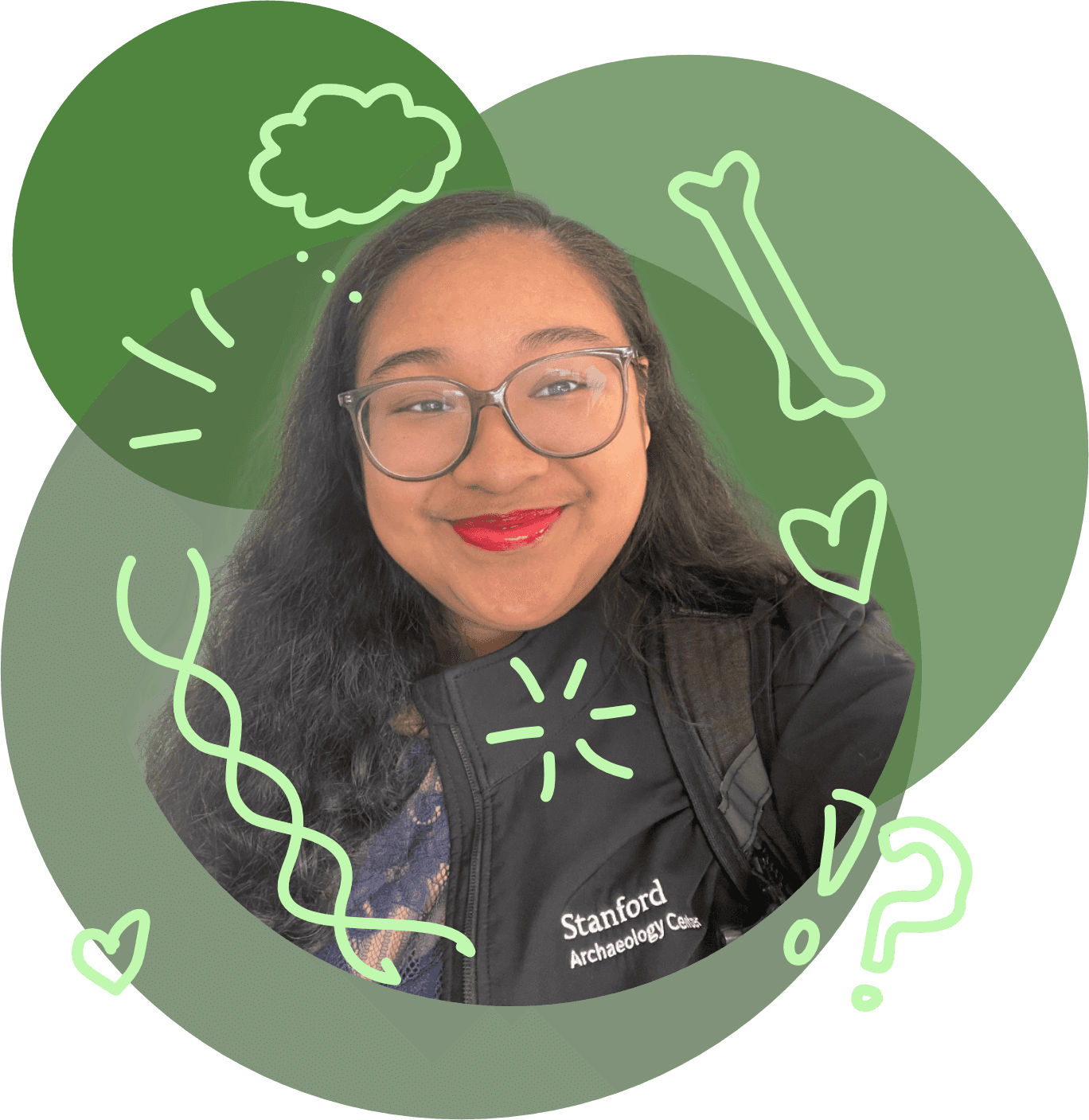
My name is Alyssa Fong.
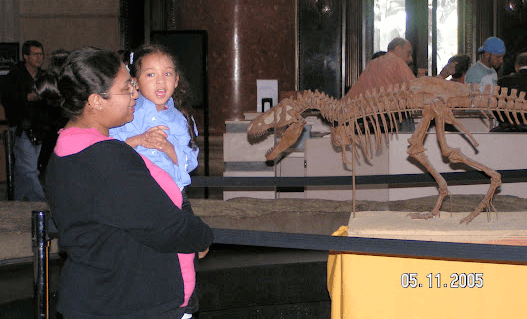
Anyone who knew me as a child knew that I was confident in what I wanted to do when I grew up: a scientist—more specifically, a paleontologist—digging for dinosaur bones, searching for a Tyrannosaurus Rex or a Triceratops. Museum exhibits, books, and movies about dinosaurs fueled my curiosity and gave me a wealth of knowledge that I was always itching to tell people about.
Anyone who knew me as a child knew that I was confident in what I wanted to do when I grew up: a scientist—more specifically, a paleontologist—digging for dinosaur bones, searching for a Tyrannosaurus Rex or a Triceratops. Museum exhibits, books, and movies about dinosaurs fueled my curiosity and gave me a wealth of knowledge that I was always itching to tell people about.
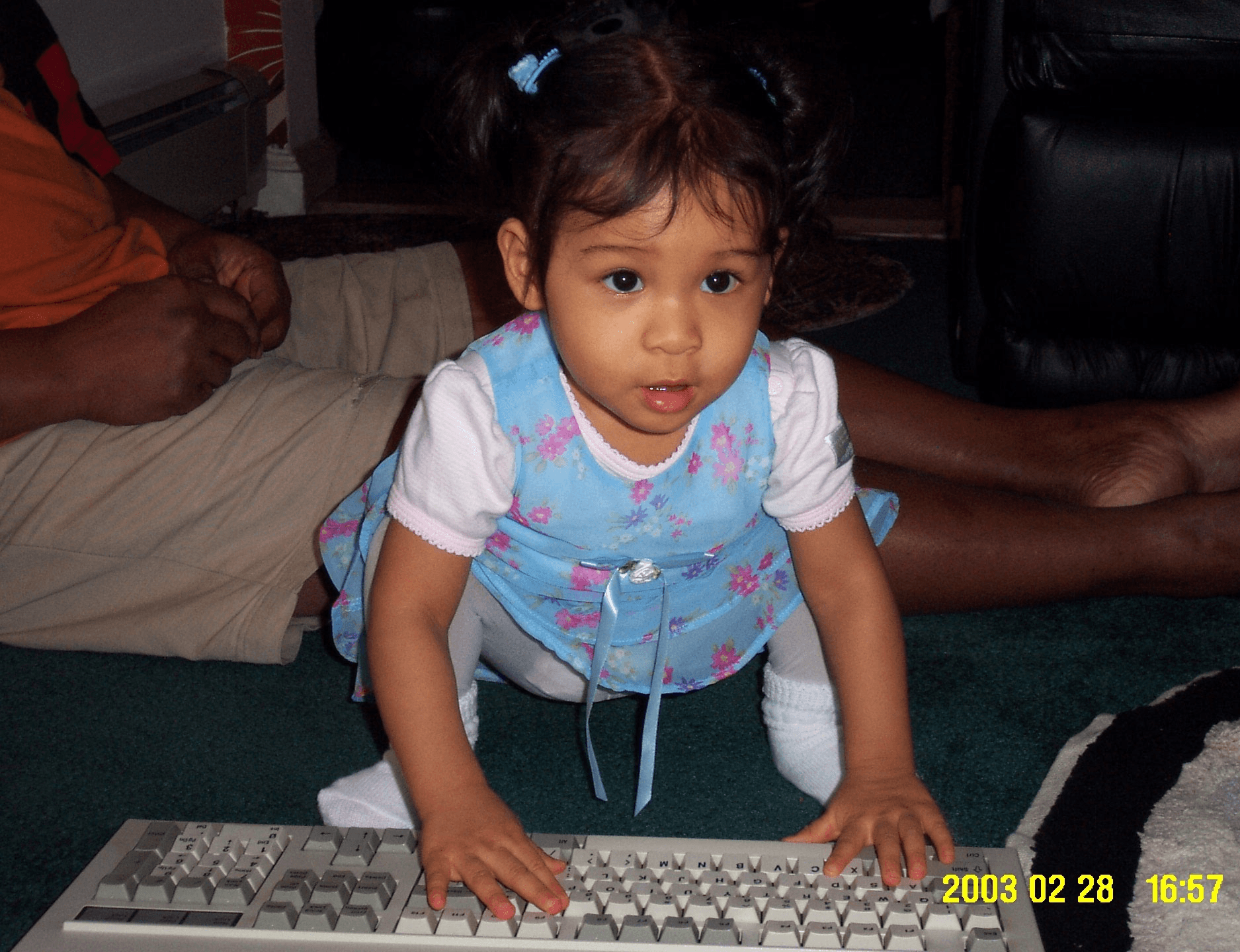
In second grade, I gained access to a new tool that would allow me to do just that: my dad’s laptop had come equipped with PowerPoint 2003, and after teaching me the basics, he gave me free rein to create something with it. Unfortunately for my class, that experience culminated in a 70-slide deck that my teacher let me present for our designated hour in the computer room across the hall, replete with rainbow WordArt titles and what were then cutting-edge transitions. I didn’t know it yet, but this experience would shape how I view communication as an integral part of practicing science.
In second grade, I gained access to a new tool that would allow me to do just that: my dad’s laptop had come equipped with PowerPoint 2003, and after teaching me the basics, he gave me free rein to create something with it. Unfortunately for my class, that experience culminated in a 70-slide deck that my teacher let me present for our designated hour in the computer room across the hall, replete with rainbow WordArt titles and what were then cutting-edge transitions. I didn’t know it yet, but this experience would shape how I view communication as an integral part of practicing science.
Since then, my interests have expanded away from paleontology, into molecular biology and computer science, leading me far away from the dirt and sand that I thought would be abundant in my adult life. By majoring in Biomedical Computation, I've gained invaluable experience and technical skills in both wet and dry lab settings, working in sterile environments with human genetic data. Yet, I couldn't shake the passion for excavation that I had developed all those years ago, leading me to pursue a minor in archaeology that has led me all across the world to learn what it's like to do fieldwork, albeit excavating human bones instead of those of a dinosaur.
Since then, my interests have expanded away from paleontology, into molecular biology and computer science, leading me far away from the dirt and sand that I thought would be abundant in my adult life. By majoring in Biomedical Computation, I've gained invaluable experience and technical skills in both wet and dry lab settings, working in sterile environments with human genetic data. Despite these changes, I’m still driven by the things that allowed me to love dinosaurs and science communication as a kid: support from my family, a love for learning science, and the opportunity to put those things together to make something that I’m proud of.
Yet, I couldn't shake the passion for excavation that I had developed all those years ago, leading me to also pursue a minor in archaeology that has led me all across the world to work on excavations and return to the dirt to learn what it's like to work at a field site, albeit excavating human bones instead of that of a dinosaur's.
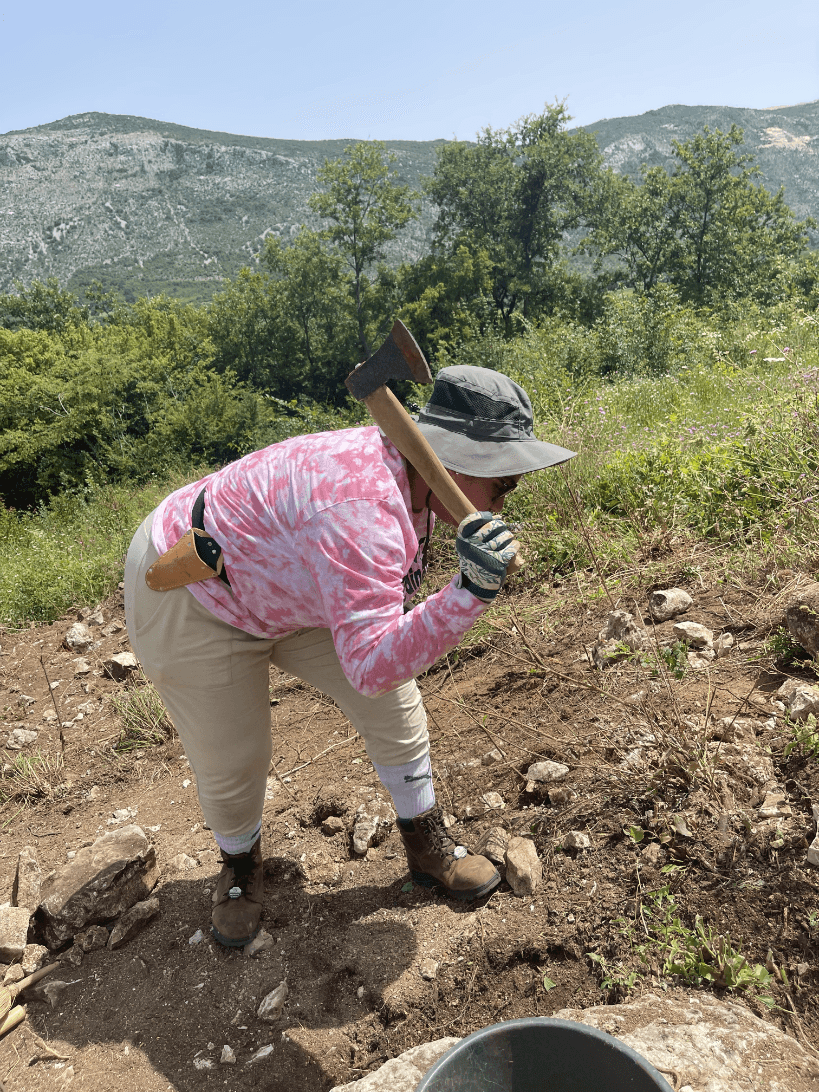
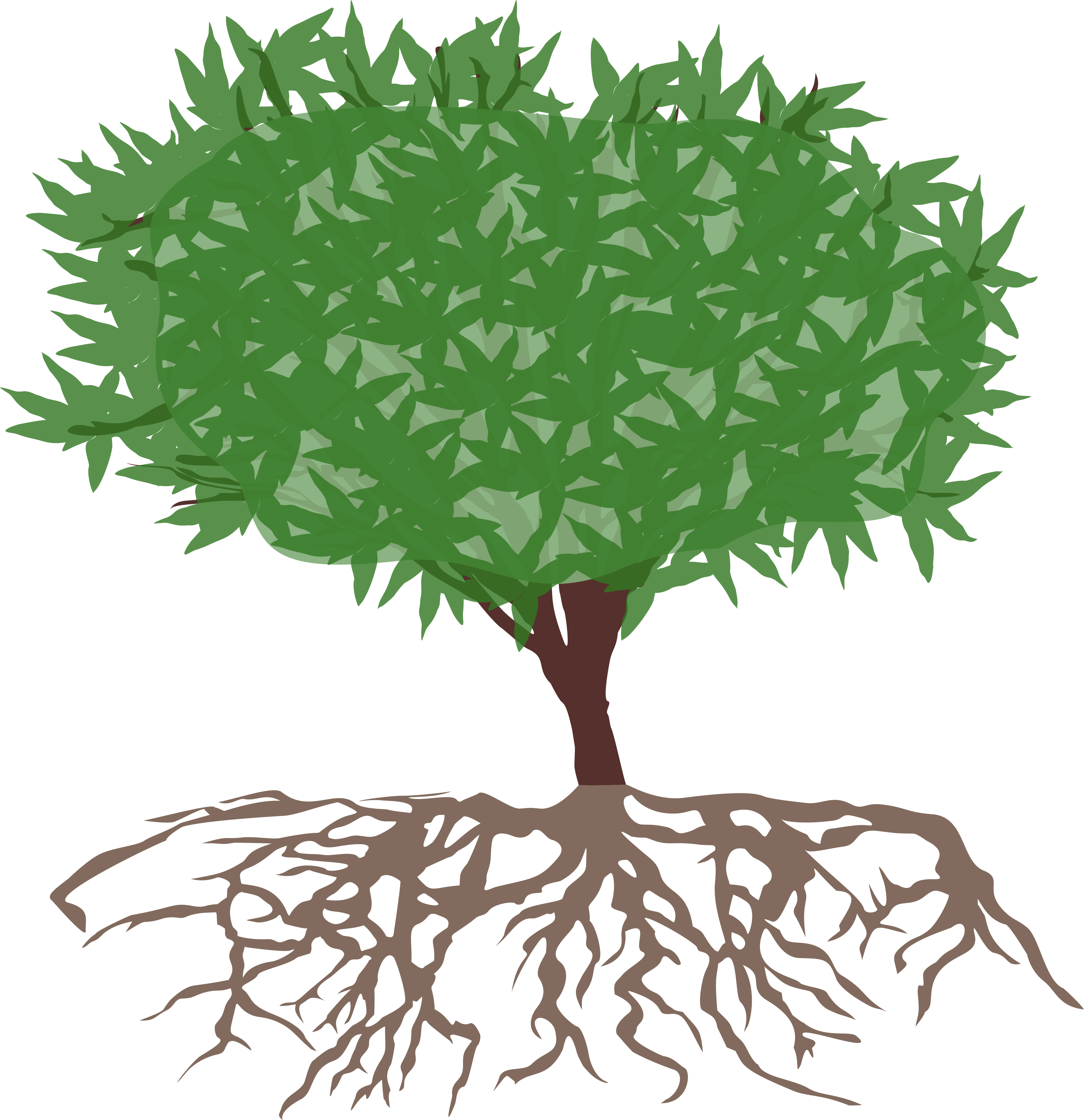
On site, I quickly learned that the ire of any archaeologist at an excavation is the presence of a tree—deeply rooted in the Earth, their subterranean parts can shuffle around the remnants of the past left in the ground and are incredibly difficult to remove. Aboveground, however, trees are regarded broadly as a representation of life and growth. They’re often used to mirror the human experience, representing our familial connections and our ability to develop upwards and outwards from wherever it is that we've started. Even within their physical structure, trees keep records and can tell their life stories as some of nature's most important physical communicators.
In many ways, my journey as a scientist and communicator can be inscribed onto a tree: supported by my roots, I've created a strong trunk—a stem—which together allow me to grow leaves that expand upon my foundations.
Something I quickly learned is that the ire of any archaeologist at an excavation is the presence of a tree—deeply rooted in the Earth, their subterranean parts often shuffle around the remnants of the past left in the ground and are incredibly difficult to remove. Aboveground, these trees grow and create forests around themselves, many times concealing the people and cultural remains that lie below until someone decides to examine the area more closely.
At the same time, trees are regarded broadly as a representation of life and growth. They’re often used to mirror the human experience, representing our familial connections and our ability to develop upwards and outwards from where we start.
In many ways, my journey as a scientist and communicator can be inscribed onto the mapping of a planted tree: supported by my roots, I've been given the chance to create a strong base through a STEM, which allow me to branch off and grow the leaves that put together the work of the parts below.
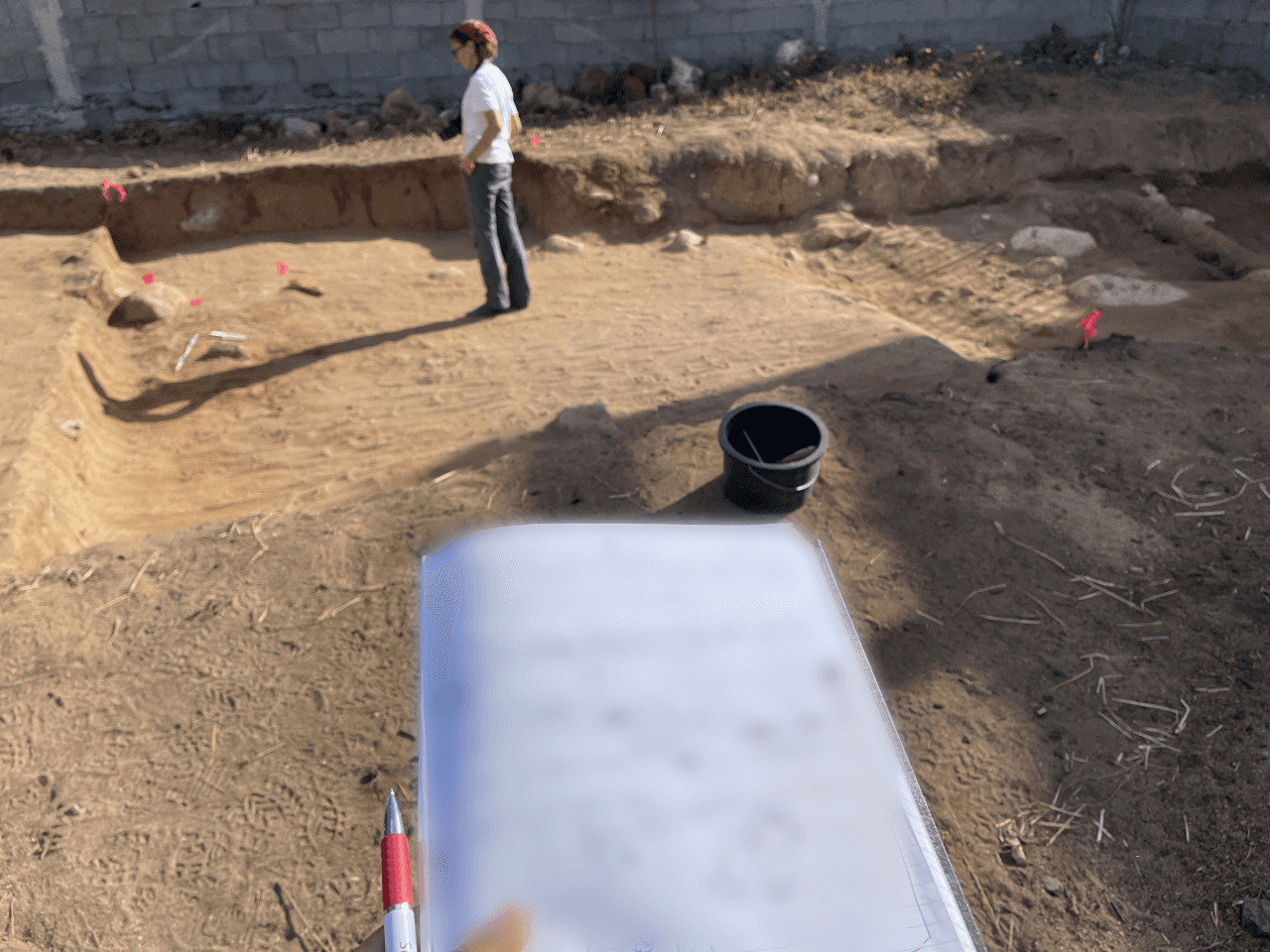
This ability to layer my experiences on top of one another and build upon them has drawn me to the interdisciplinary field of paleogenomics, where computational biology and archaeology intersect and where science communication is an essential skill in translating research between professionals in different areas and to the public. In this ePortfolio, I hope to showcase how, during my time at Stanford and in the Notation, my skills in science communication and science more broadly have grown from my roots in a dinosaur-focused PowerPoint all those years ago.
Since then, my interests have expanded away from paleontology, into molecular biology and computer science, leading me far away from the dirt and sand that I thought would be abundant in my adult life. By majoring in Biomedical Computation, I've gained invaluable experience and technical skills in both wet and dry lab settings, working in sterile environments with human genetic data. Despite these changes, I’m still driven by the things that allowed me to love dinosaurs and science communication as a kid: support from my family, a love for learning science, and the opportunity to put those things together to make something that I’m proud of.
Yet, I couldn't shake the passion for excavation that I had developed all those years ago, leading me to also pursue a minor in archaeology that has led me all across the world to work on excavations and return to the dirt to learn what it's like to work at a field site, albeit excavating human bones instead of that of a dinosaur's.
CLIMBING THE TREE
hover over the mangoes to discover
the parts of my ePortfolio!